<img height="1" width="1" style="display:none" src="https://www.facebook.com/tr?id=581747792245426&amp;ev=PageView&amp;noscript=1">

10 Signs It Might Be Time To Look Into Memory Care

When you’re caring for a loved one with Alzheimer’s Disease or another form of Dementia, it can be difficult to determine when it’s time to seek Memory Care. Should you serve as their caregiver? Are the changes you’re noticing normal? Was that accident a sign that things are getting worse? Navigating these questions and concerns while deciding when the right time is for your family to seek additional support can be overwhelming. 

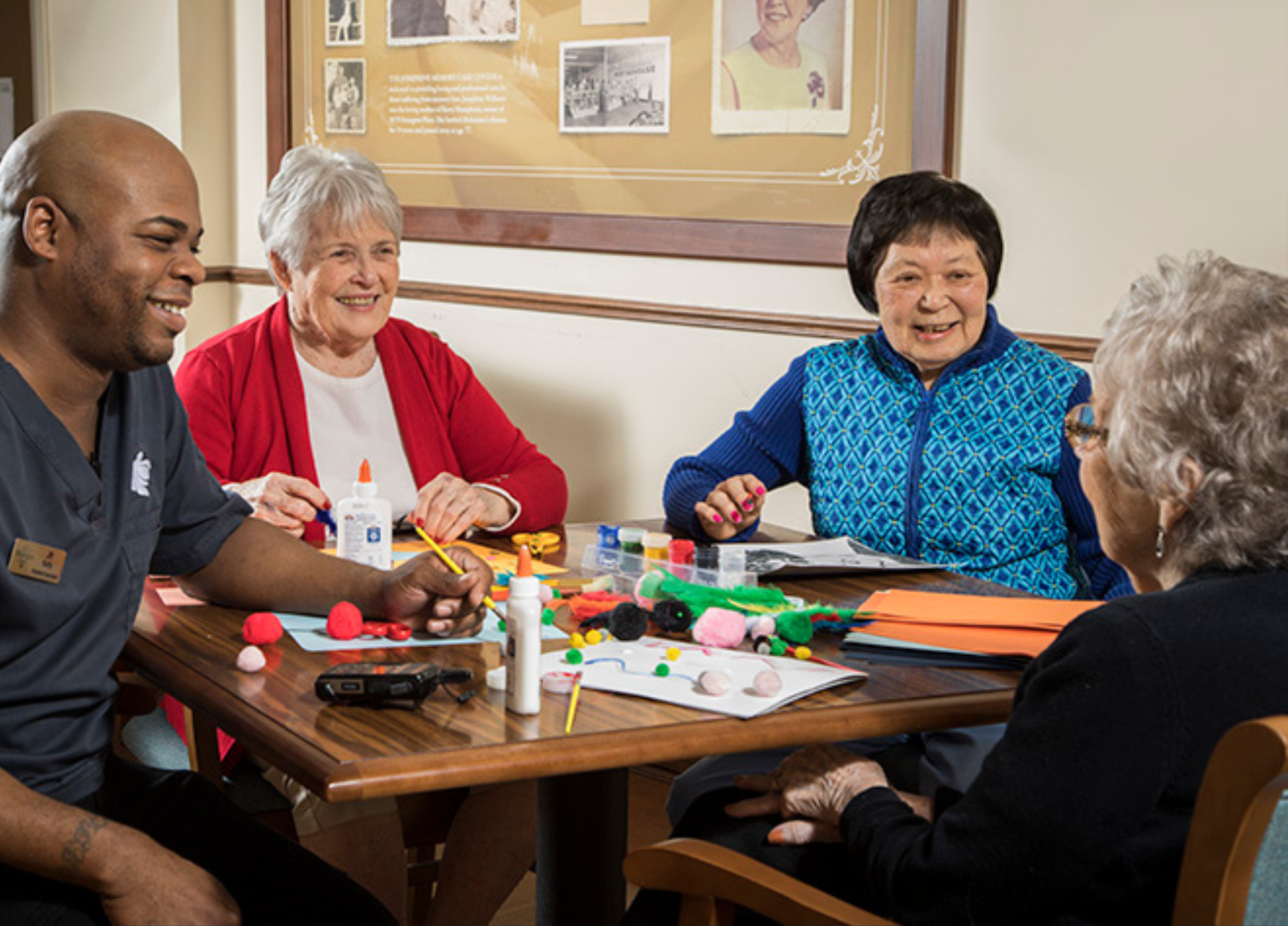
At 10 Wilmington Place, our Josephine Memory Care Center – named after our owner’s mother, who lived with Alzheimer’s Disease for 14 years – is committed to Celebrating the Individual and providing specialized care for residents with Alzheimer’s or another form of Dementia.

Here are 10 signs that might indicate it’s time to look into Memory Care options for your loved one:

  • Missing payments or forgetting bills — A loss of financial independence can be a sign that Memory Care might become necessary. If a loved one is becoming forgetful about important things like bills or payments, and they’re calling you confused about why their cable, phone, water or other services have been turned off, it may be a hint that your loved one is struggling to keep up with important tasks.  
  • Neglecting hygiene or cleanliness - Everyone has off-days, but it can be a warning sign if you’ve noticed your loved one has stopped bathing because it’s too challenging, is no longer getting dressed regularly or has suddenly stopped keeping their living space tidy. These kinds of daily steps are often some of the first things to present challenges as Alzheimer’s or another form of Dementia affects a loved one. 
  • Putting themselves in danger - As Alzheimer’s or another form of Dementia starts to change the life of your loved one, the danger it presents can be a fast warning sign that they need a change of care. This can include walking off aimlessly or in dangerous conditions, leaving the stove on, falling, confusion while driving and much more. For a loved one in need of care, it’s important to get out ahead of these kinds of signs. 
  • Not maintaining health - For someone with Alzheimer’s or another form of Dementia medicine and care are obviously an important priority. So if a loved one is consistently forgetting to take their medicine, missing appointments with their doctors or even forgetting or neglecting to feed themselves properly, it can be very impactful to their wellbeing. 
  • Losing track of time - It may start with forgetting the date for a few moments, but it can be very concerning to see a loved one forget the current year or season and struggle to get their bearings. If you know someone who has reached this point in their journey through Alzheimer’s or another form of Dementia, it may be time to consider Memory Care. 
  • Withdrawing from friends and family - Not everyone is a social butterfly, and that’s OK! But if a loved one has suddenly stopped doing things they used to do or doesn’t call anymore, it may be because they’re struggling with Alzheimer’s or another form of Dementia. Research shows that isolation can worsen these conditions, so it’s crucial to not allow your loved one to isolate themselves. 
  • Others are worried about their safety - Alzheimer’s or another form of Dementia can manifest themselves in a variety of ways, and one of them can be an increase in anger and aggression that leads to lashing out and even sometimes violence. If a loved one is suddenly showing these signs, it’s an indication that it may be time to seek professional assistance. 
  • You’re struggling with at-home care - It can be very challenging to care for someone dealing with Alzheimer’s or another form of Dementia, especially as the diseases progress. If you or another caregiver find yourself neglecting your own needs, dealing with excessive stress or struggling to keep up with the demands, it may be time to acknowledge that your loved one requires additional support that professional care can provide. 
  • Struggles with incontinence - Not every incontinence issue stems from Alzheimer’s or another form of Dementia, but if your loved one has shown rapid changes in this area or adult undergarments are becoming ineffective, it’s time to enlist help. Issues using the bathroom can lead to serious and even fatal infections, and require a higher attention to care to maintain health, sanitation and dignity. 
  • You think it’s time - Often, loved ones know when it’s time to consider Memory Care. Whether it’s a gut feeling or a blog like this one, great people serving as caregivers for their loved ones are the first to know when it’s time to transition to Memory Care. No matter your situation, it’s never too late to seek appropriate care, and there’s no shame in acknowledging that your loved one requires support that you can no longer provide. 

Untitled design (5)-Dec-04-2023-08-08-57-5368-PM

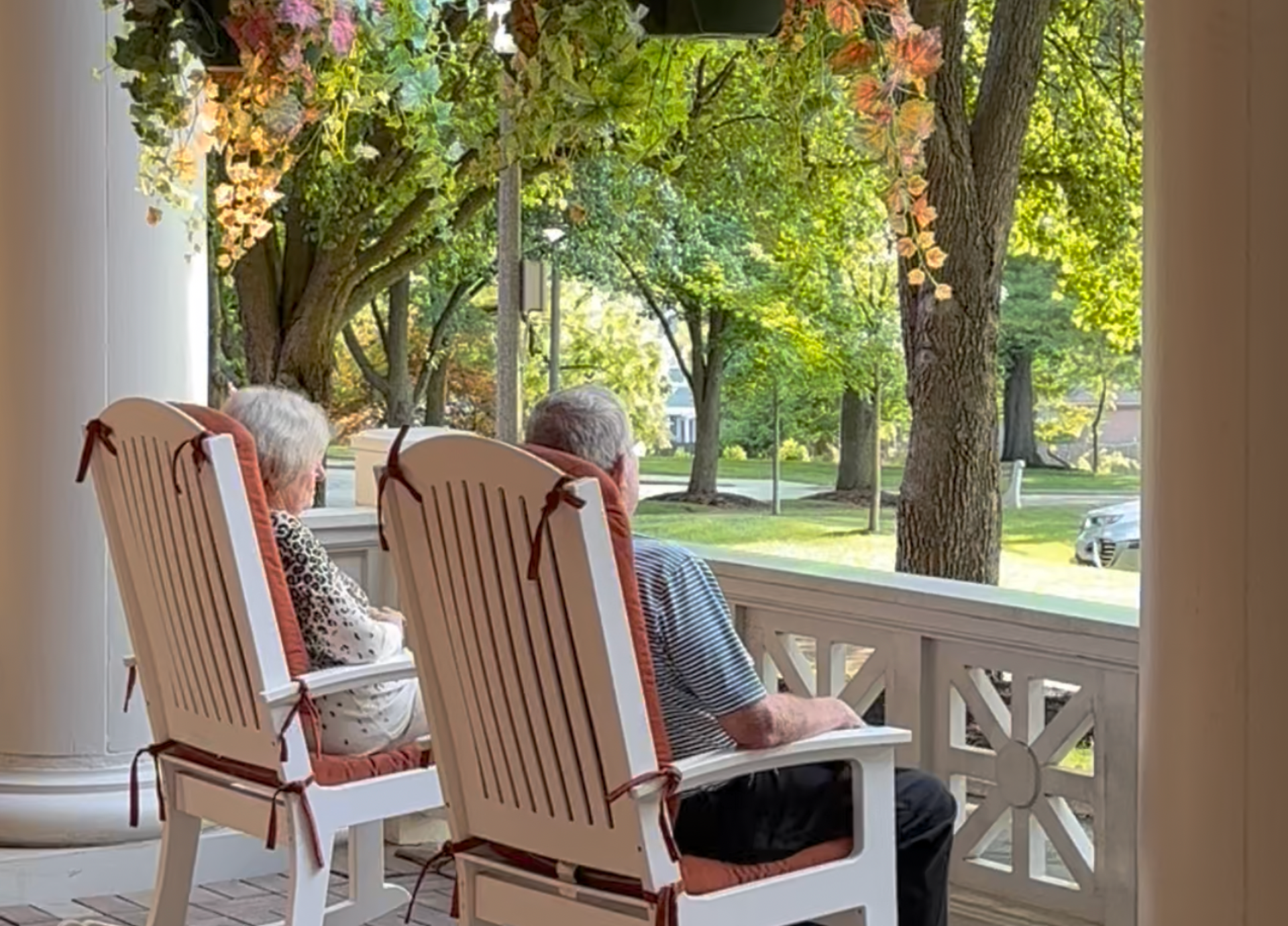
A transition to Memory Care can be emotional and challenging for a resident and family members. At 10 Wilmington Place, Independent Living, Assisted Living and Memory Care are housed within the same building, making it easy for family members to visit and enjoy the amenities in each area.

If you’re considering Memory Care for a loved one, please don’t hesitate to schedule a tour to visit our campus. We look forward to helping you navigate this journey and decision-making process by providing the needed information about Memory Care options.

Receive our latest articles in your inbox.